Fashionability.
Fashionability is a website that aims to inform and create awareness about the fast fashion business. With a single click, you can learn everything you need to know about fast fashion!
What Is Fast Fashion?
Fast fashion is a term used to describe clothing designs that move at a rapid speed from the catwalk to the stores in order to take advantage of the latest trends. The collection fast fashion brands make are often based on styles that can be seen at Fashion Week runway shows or clothes worn by celebrities. Fast fashion allows consumers to purchase the hot and new trendy looks at an affordable price with decent quality which is why it became quite common amongst people to purchase from the companies. Fast fashion is a big contributor to the earth’s pollution besides oil and gas. You can find out more through the video below!
Environmental Impacts
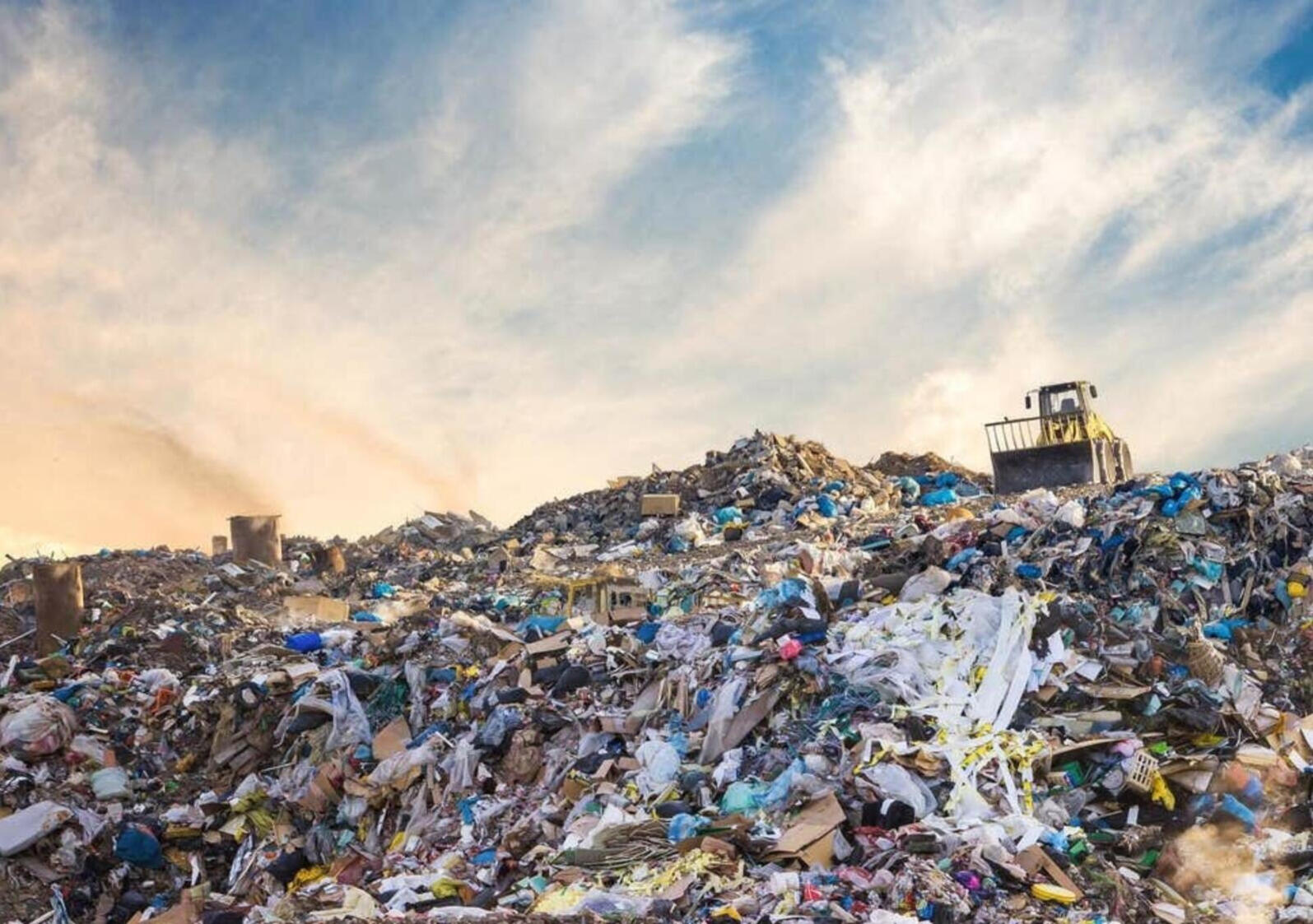
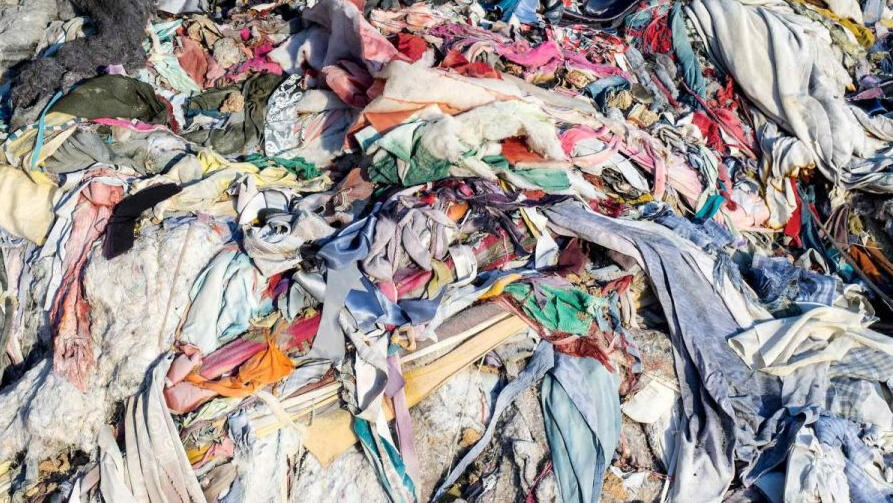
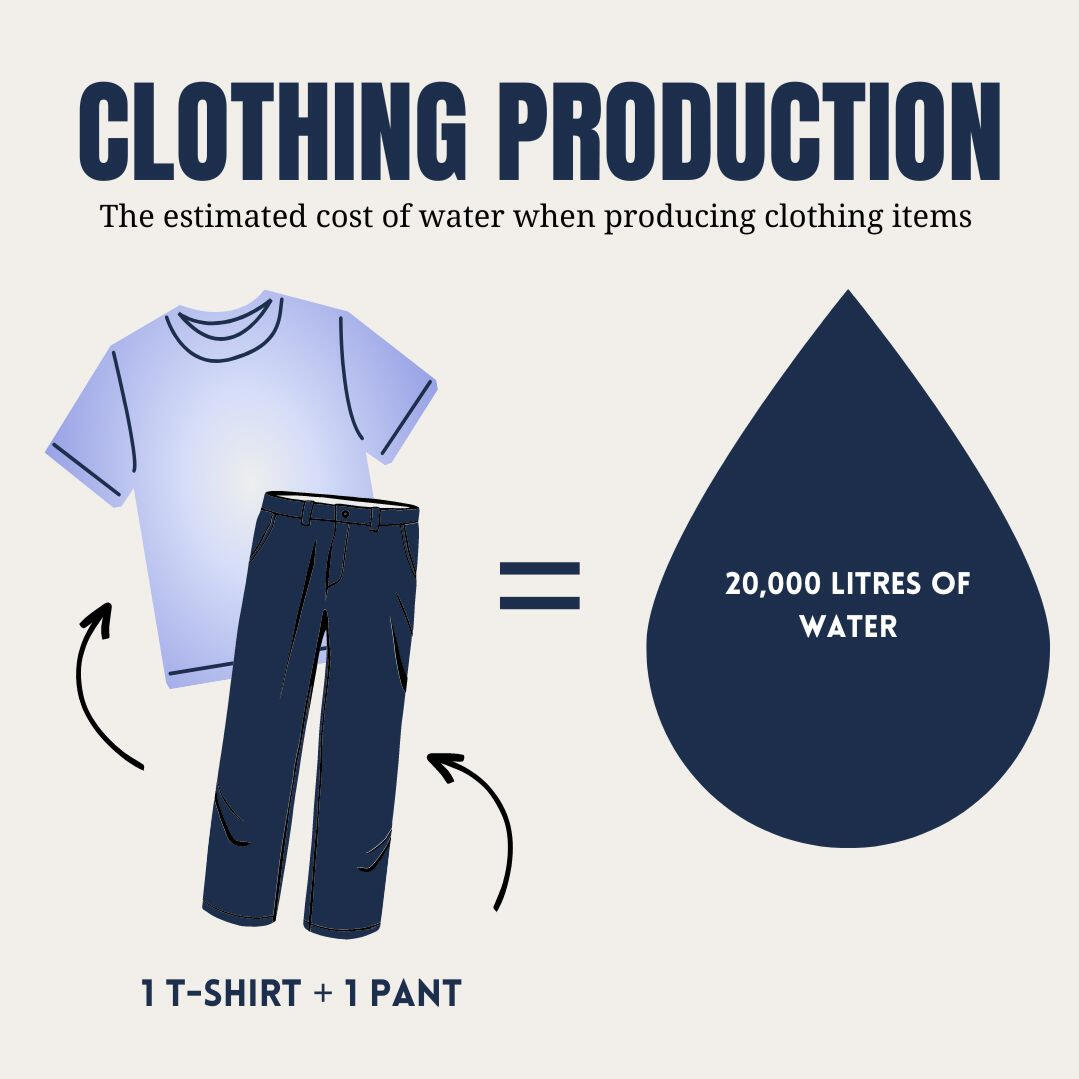
Fashion production companies contribute to 10% of total carbon emissions and 85% of textiles end up in dumps each year. The three main sources of pollution in the fashion industry are dyeing and finishing, yarn preparation, and fiber production. These processes have large impacts on freshwater withdrawal, ecosystem quality, and resource depletion due to the energy-intensive process based on fossil fuels. Washing clothes releases 500,000 tons of microfibers into the ocean each year, which may cause adverse effects when ingested by species.
Toxic Working Conditions
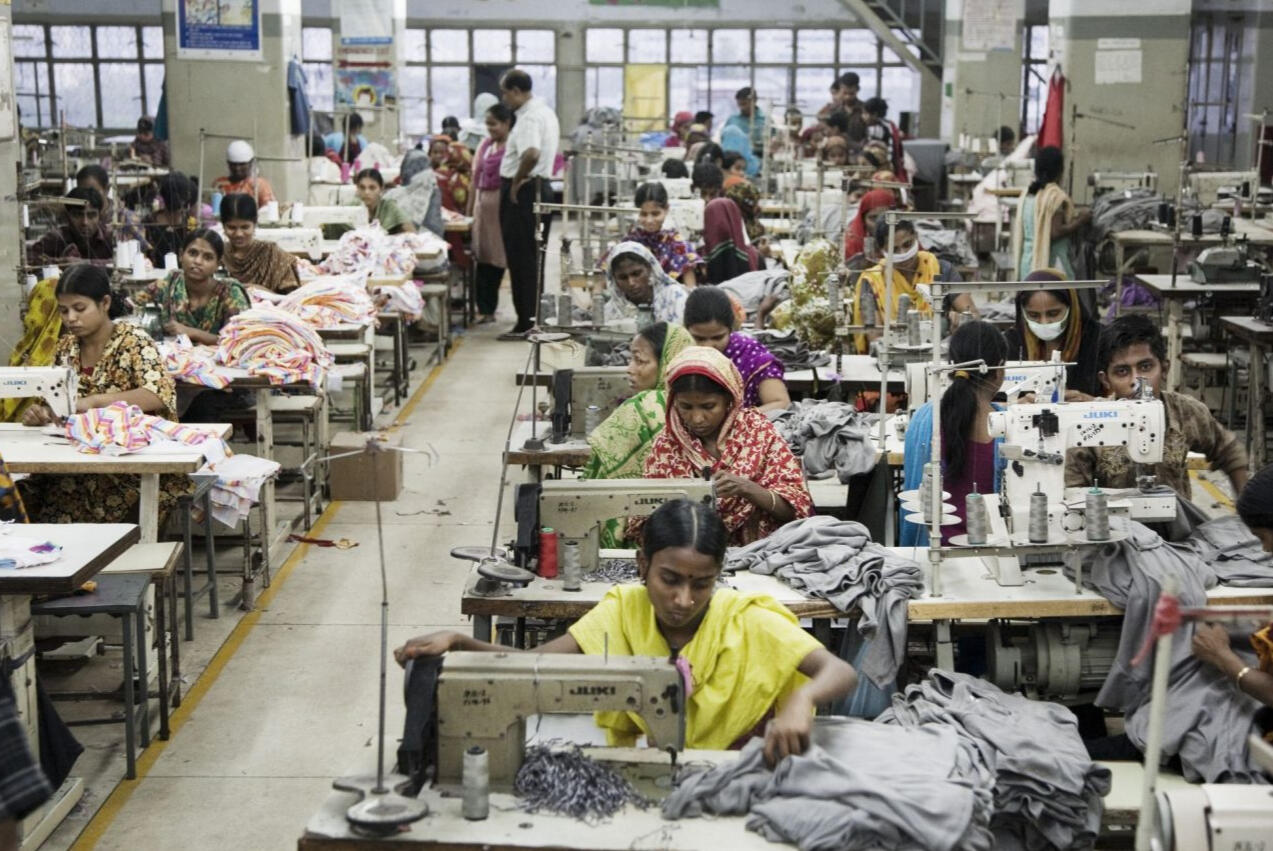
Fast fashion companies actively abuse their workers in underdeveloped nations. Low pay, hazardous working conditions, and continuous long hours are all imposed upon them. The fast fashion industry exploits workers in developing countries by underpaying them and putting them in unsafe working conditions.Reports say that 93% of brands are not paying workers a living wage, and in countries like Cambodia, India, and Bangladesh, workers are paid less than $1/hour. Many laborers work 14-16 hours/day, seven days/week, including children.Unsafe working conditions have resulted in deaths, such as the tragic Triangle Shirtwaist factory fire in the US and the 2013 collapse of a garment factory in Bangladesh, where 1134 people died. Despite safety-related problems being identified in factories, no regulations have been established to protect workers.
Expert Interview
For more information regarding the topic, I successfully conducted three expert interviews. The first expert I interviewed was Yully Purwanti who works at MAP in the sustainability division. The 2nd expert interview I did was with Karina Soegarda, an ex- H&M employee and the last expert wishes to not disclose their information and company. You can read their answers here!

Yully Purwanti - MAP Sustainability Division
What are the main environmental harms caused by fast fashion?
Yully stated that “Not all fashion brands are responsible for producing the products.” She elaborated that many of the fast fashion companies tend to ignore the negative impacts to the environment. Those negative impacts to the environment include using chemical materials that could poison water, bringing high risk to humans and the environment itself. “Cotton is one of the environmentally friendly raw materials for clothing. However, when coloring the pattern using not environmentally friendly paint, that could have a bad impact as well.” Yully also expressed that “During the production, if the manufacturer hires children labor, it's not ethical and not responsible too...meaning not sustainable.”
Are certain textiles more environmentally friendly than others?
Yully said that consumers need to have awareness about the importance of sustainability. She shared that one of the easiest ways to be aware of the sustainability of the clothing item u purchase is by checking the label of the clothing. It is the same way as checking the ingredients of a certain food/meal. “Usually there is a brief description about the product, such as using recycled material and so on.” Another suggestion made by Yully was to check the website of the brand, so they will have sufficient information about how the products are produced.How can consumers know whether or not the brands they are buying from are sustainable?
She explained how consumers can participate in recycling activities such as the “Take Back Program from Inditex brand - Zara, Bershka, Pull&Bear.” “ You can find a special box to recycle your clothes. Or, before the customer decides to buy new clothes, they can do a selection of their collection and donate them.” Yully stated.What actions may people take to lessen the trash produced by rapid fashion?
Yully recommended people to check out the sustainability report in the MAP Website . “You can check our sustainability report at www.map.co.id. We have complete information about our activities sustainability. Not only for the environment, but also for social and governance.”In accordance with the 6th and 7th question, MAP is not a fast fashion store itself, it is a retail store for Fashion so they are unable to explain the details of the question. Yully presented the idea of checking the specific brand website to further know and understand the sustainability /how eco-friendly they are.
What actions may people take to lessen the trash produced by rapid fashion?
“We need to prolong the life of our clothes; meaning old clothes should be handed down to family members and friends or donated, as well as shop sensibly and use what we need.” Karina suggested. She also said that another option we have is to recycle or upcycle clothing pieces. “Recreate new clothes or use old clothes for other purposes such as cleaning cloth or fillings for pillows.”Have well-known companies like yours made any recent efforts to improve their sustainability?
Karina mentioned that for H&M, their goal by 2030 is that all the materials used will be made out of 100% recycled, organic or sustainably sourced materials. “In 2022, we are already at 80%. H&M has also reduced 27,8% in plastic packaging and will continue to reduce in the following years.”What can these well-known businesses do to improve their sustainability?
Karina explained how overtime, businesses will need to put people and the planet first when making business decisions. She suggests that the businesses can make better business decisions starting from the material used in production, the transportation needed to transport the clothes in order to reduce its carbon footprint, and make sure all the production is made ethically to comply with all human rights laws.How eco-friendly are these well-known fast fashion companies? Are they really as sustainable as they claim to be?
“H&M is transparent in all of its reporting, and the sustainability report is shared yearly to the public (media, stakeholders, shareholders, and event consumers).” She said that consumers can see all of H&M’s sustainability work at www.hmgroup.com/sustainability for further information about their strive to become a more eco-friendly company. “ As a public company, all of the data can be seen and shared through this site.”
Karina Soegarda - Former H&M Employee
What are the main environmental harms caused by fast fashion?
According to Karina, “The whole fashion industry alone represents 10% of global emissions, and this is a challenge that the whole fashion industry needs to solve.”Are certain textiles more environmentally friendly than others?
Clothing items range from a variety of textiles. Karina suggested that the textiles used for clothing pieces should either be organic, “since it reduces the use of pesticides and is grown naturally” or “recycled materials and other sustainably sourced materials (materials that are ethical, use fewer natural resources and respects nature and people)”How can consumers know whether or not the brands they are buying from are sustainable?
Karina stated that at H&M, the percentage of sustainable materials are placed in the hang tags therefore consumers can easily check the sustainability percentage of said clothing items they wish to purchase.
Former Retail Shop Employee
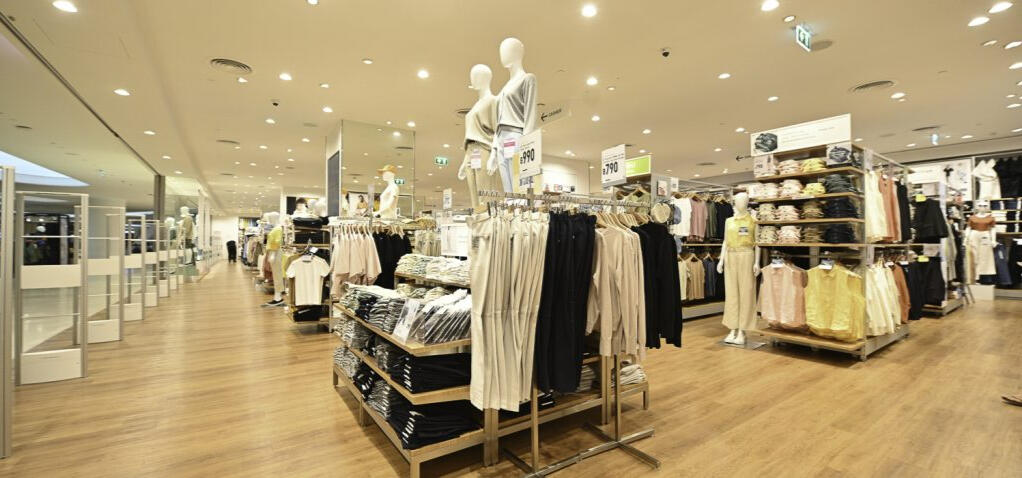
As for the first interview question, They were unable to answer the question due to the fact that they were not part of the production team at the previous brand they worked at.Are certain textiles more environmentally friendly than others?
They stated that in the previous company they worked at, they always found ways to make textile which is environmentally friendly. Textiles used to make clothings like “jeans that use less water which helped reduce the use of water up to 99%.” This was a great way to make the regular jean textile be more environmentally friendly because they stated that “to make 1 jeans usually use 10,000 liters of water.”How can consumers know whether or not the brands they are buying from are sustainable?
Just like the 2nd interview, This brand they worked at also has tags that explain the sustainability of the clothing item attached to the product so consumers are able to read them before purchasing/after purchasing.
What actions may people take to lessen the trash produced by rapid fashion?
“Reuse and recycle.” “We also have products that are made from recycled cotton.” They said, The said company is also known to have done so many recycle actions and upcycling programs to lessen the trash produced by clothing items.Have well-known companies like yours made any recent efforts to improve their sustainability?
“Yes they continue to put focus on sustainability actions and always make sure the production is sustainable.” Another thing this brand does is they always do audits to their partners.What can these well-known businesses do to improve their sustainability?
They suggested that to improve the sustainability of these well-known brands is to “find new technology and do innovation that focus on sustainability”How eco-friendly are these well-known fast fashion companies? Are they really as sustainable as they claim to be?
They stated Yes. From what they know from working in the previous company, they really do commit to being as sustainable as they could be to make the environment better.
Reducing Our Impact
Here are some strategies to progressively reduce the environmental impact of fast fashion:1. Shop from sustainable and ethical fashion brands
The best ways to ensure that your clothing choices are not harming people or the environment is to start paying attention to where you shop from. Just like the experts say, some brands include their sustainability information on their tags or website which you can read through. Sustainable brands will pay close attention to every step of their supply chain from producing to selling their products.2. Buy less often and buy high quality
Often times fashion retailers manipulate us into thinking that we need the latest fashion trends to feel happy but they’re usually made from cheap materials that won’t last long which requires us to buy more. Be picky about what to buy. Think about just buying 1 black t-shirt made from 100% cotton sourced from sustainable practices rather than 3 thin fabric t-shirts.
3. Donate or sell gently used clothing
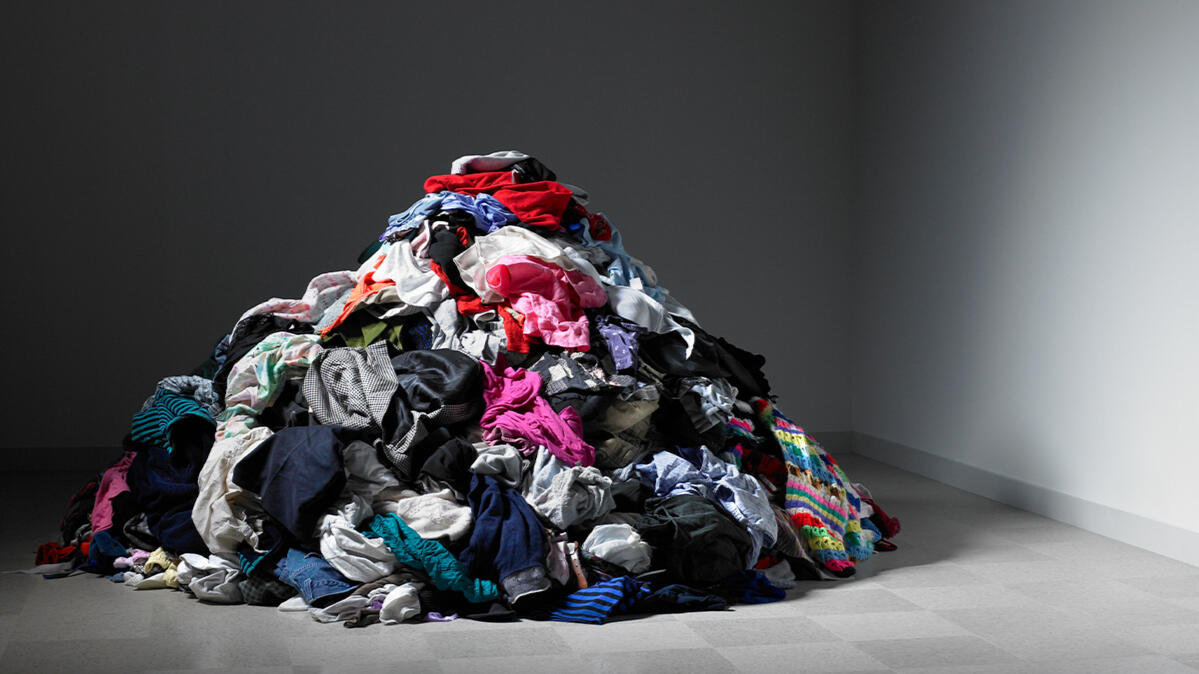
We continuously outgrow our favorite pair of clothing items so why not give your clothes a second chance at life? We can do that by finding donation centers and shelters that resell them or donate them to those who need it better. There are countless ways we can redistribute our clothes and put them to good use instead of throwing them away but before we do that, make sure they are washed and in good condition. If not, host a clothing swap with your friends and try on each others clothes!4. Buy/rent secondhand clothes
Try looking for new clothing pieces in thrift stores. Thrift stores often offer a unique range of vintage styles. Shopping at thrift stores can easily help enhance your wardrobe and make your style unique!5. Repurpose old clothing
If you’re unable to find a proper recycling program or donate your clothes anywhere else because they’re too damaged, Simply repurpose them and create something new of your own! The ideas are endless.
Best Local Thrift Shops!
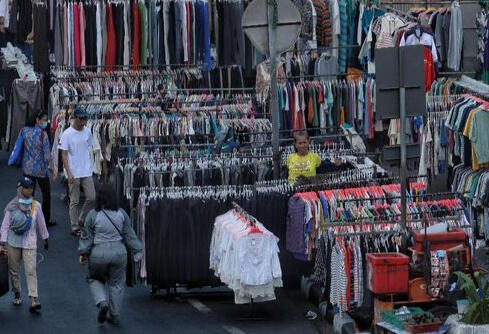
Here are a few of my favorite Indonesia-based thrift/secondhand retailers that have great pricing, fantastic quality, and always match the newest fashion trends!Other than these local thrift shops on Instagram, various bazaars are available from time to time that collect a bunch of different small thrift shops from around Indonesia like the Slowmove Bazaar or the SundaySpaceMarket! Many of which famous influencers on TikTok and/or Instagram visit and join the movement!You can also thrift in Indonesia in various markets like Blok M Square, Pasar Senen, Pasar Baru, Cimol Gedebage and Stadion Bima.
Our Resources!

These are our main resources that provided us with the following information on the website. Biggest credits to these websites who have helped us in our secondary research! You can also do an individual research on these websites to help learn more about the ongoing issue of Fast Fashion.
Sustain Your Style
Sustain Your Style is an independent platform made by people who like fashion and style but are concerned about the current practices of the fashion industry. This website is a resource that provides you with all the tools you need to make informed, sustainable fashion choices.
Zero Waste Indonesia
Carrying the vision of being a one-stop-solution platform and umbrella for information on a minimal waste lifestyle in the archipelago, ZWID is also a gathering place for individuals, environmental activists, communities, and all those who care about environmental sustainability.
Earth.org
"As an Environmental News & Data Platform, we aim to illustrate the repercussions of climate change on the human habitat with power data journalism using web and social media to reach global audiences. " "By extracting powerful insights from data and making this understandable for a wide audience, even for kids, we bring climate change science alive and reach new audiences. Our aim – to be ‘the BBC of environmental news’."
Environment.co
When it comes to saving the planet, knowledge is power. Environment.co takes complex climate science and green technology topics and breaks them down in a way the everyday person can understand and feel empowered to make better choices for themselves and the planet.
Clean Clothes Campaign
"Our work is worker centred. To ensure the fundamental rights of workers are respected we educate and mobilise consumers. Our horizontal operational structure enables us to identify local problems and objectives and transform them into global actions. It also allows us to identify global problems quickly and effectively. Through our Urgent Appeal system we offer direct solidarity support to workers fighting against specific worker rights violations. We also collaborate with workers to co-develop global campaigns on achieving systemic goals like the payment of living wages and the eradication of gender based violence in the workplace."